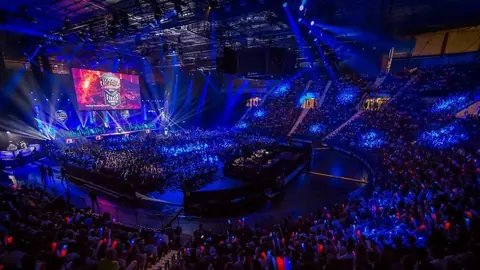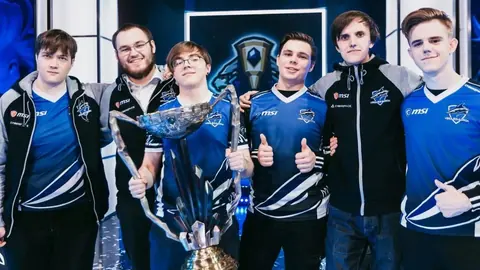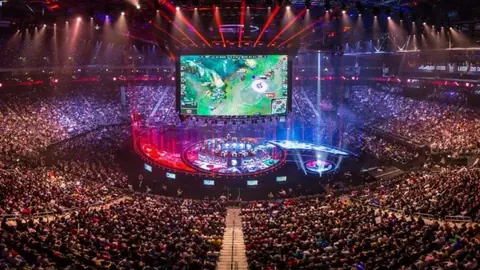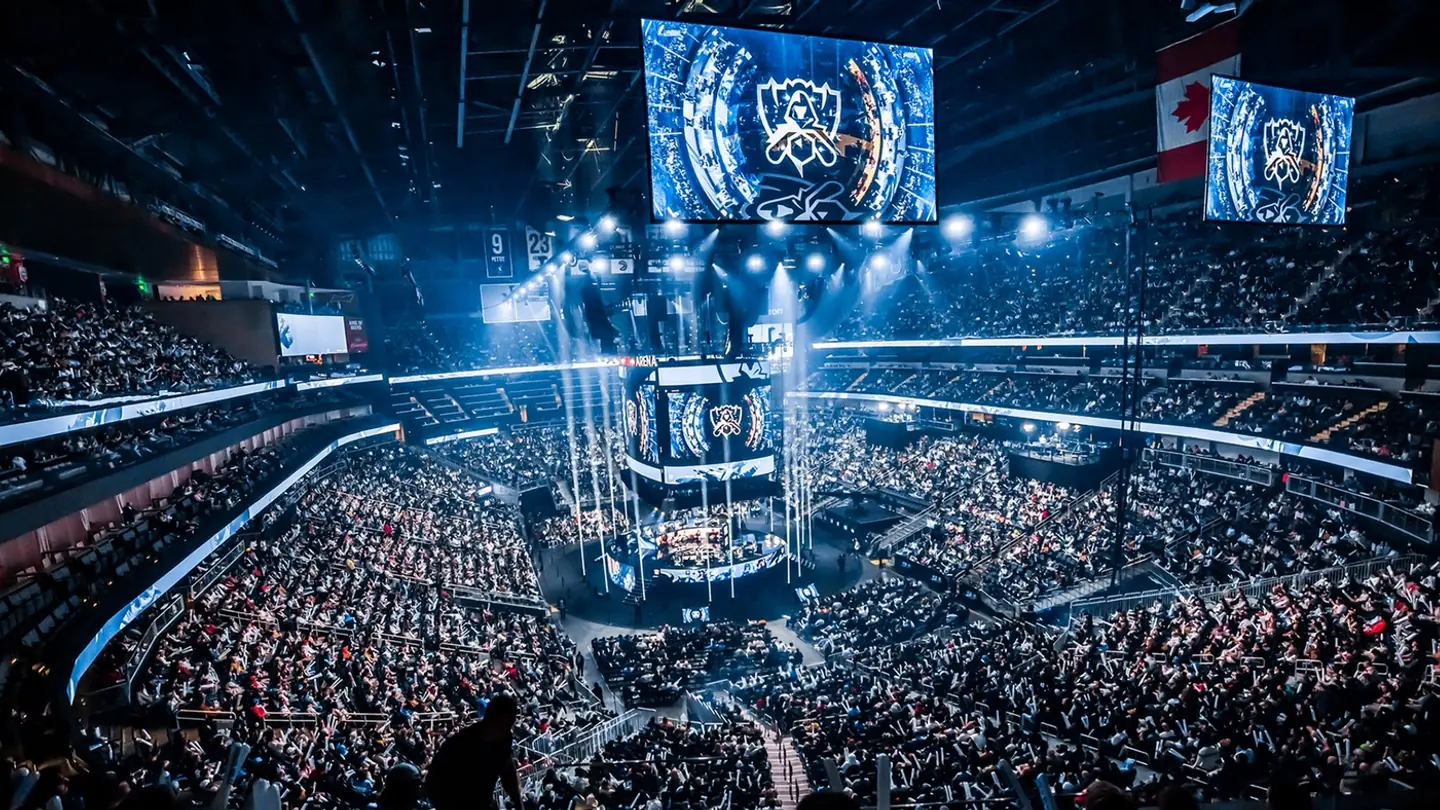
The Worlds 2026 final is over, but a replay can still tell a more useful story than a collection of winning moments. Riot's event information placed the title match at Barclays Center in Brooklyn on November 14. This guide deliberately avoids the result and individual game outcomes. Its purpose is to show how to rewatch a major League of Legends series without letting knowledge of the ending decide what every earlier decision must have meant.
You do not need private team audio, professional credentials, or a complicated statistical model to begin. You need a reliable replay, a few clearly defined questions, and the discipline to separate what the broadcast shows from what you infer. The framework below is designed for viewers learning analysis. It does not claim that our editorial team attended the event, interviewed the finalists, or independently reviewed every game for this article.
Make your first pass a normal viewing experience
Watch a complete game before pausing every mistake. The first pass establishes its rhythm: which lanes receive attention, when the teams reset, and how the overall pressure changes. If you interrupt immediately to explain one mechanical error, you can lose the larger pattern that made the error costly or forced the player into a difficult choice.
Keep only a short list of timestamps that raise questions. Write the question rather than the conclusion. Why did the support move early? Why was the team willing to trade that objective? Why did a carry delay a recall? A question keeps several explanations available. A verdict such as terrible macro can close the investigation before you have checked the information visible to the players at that moment.
Return to the draft with the game's tasks in mind
After the first viewing, describe what each composition needs to do. Identify who can approach contested space, who supplies dependable damage, and how the lineup wants to start or escape a fight. These are working interpretations, not guarantees. A composition can have several possible plans, and the way players execute it may reveal priorities that are not obvious from champion names alone.
Avoid evaluating the draft entirely through the final score. Ask whether the team reached situations its composition was designed to handle. If it did, examine execution and the opponent's response. If it did not, investigate the path that prevented it. This creates a more useful distinction between a plan with weaknesses and a plan that was never given its intended conditions.
Trace the resources before the confrontation
A fight can look mechanically decisive while its outcome has been shaped by earlier recalls, wave positions, and missing cooldowns. Start your replay at least one setup sequence before the moment that attracted attention. Check who had time to buy, who had to collect a wave, and which players could enter the area without giving up an immediate cost elsewhere.
Use a resource list rather than relying on memory. Record relevant items, visible health, available summoner spells when shown, and the positions of nearby teammates. You will not always have complete information. Mark the gaps instead of filling them with assumptions. A careful account can explain why an engagement was difficult without pretending to know every cooldown or piece of communication that influenced the decision.
Watch one player's camera-independent decisions
The broadcast naturally follows action, but a player outside the main camera can still shape the game. On a second pass, choose one role and follow its visible map movement as consistently as the feed allows. Observe when the player leaves a lane, protects a route, or waits rather than joining an apparently urgent skirmish.
Do not interpret every absence as negligence. A player may be managing another responsibility, and the broadcast may not show enough to judge it. The useful question is what tradeoff the movement creates for the team. If a side-lane push forces an opponent to respond, the player may have contributed without appearing in the fight. Conversely, a movement that produces no visible benefit deserves closer examination rather than automatic praise.
Separate information from hindsight
The spectator view can reveal enemies that a team cannot see. That creates a powerful hindsight trap. A route may look obviously dangerous to the audience while remaining reasonable given the team's last confirmed information. To evaluate it fairly, ask which opposing positions were actually established and which were merely possible.
Try a decision freeze. Pause just before the commitment and write two or three plausible enemy locations based on the visible evidence. Then resume the replay and compare the actual outcome. This exercise does not absolve every risky move. It helps you judge whether the player took a defensible uncertainty or ignored information that should have changed the plan. Those are different kinds of mistake and call for different explanations.
Look for the moment a plan becomes expensive
Not every bad outcome begins with one obvious error. A team can make a sequence of individually understandable decisions that gradually removes its alternatives. A delayed reset can lead to a late arrival, which can force a narrow entrance, which can leave the team relying on a difficult engagement. The final failure is visible, but the earlier loss of flexibility may be more instructive.
Draw a short chain of decisions around the timestamp. At each point, ask what alternatives remained and what each would cost. Avoid claiming that the best option was free. Leaving an objective may concede pressure; staying may risk a fight; changing lanes may lose resources. The analytical task is to compare the options available then, not invent a perfect path that only becomes obvious afterward.
Compare adaptations across games without inventing intent
A series offers repeated opportunities to see whether priorities change. Track draft choices, early lane attention, and the way teams approach similar map situations. If the same problem appears and the next game uses a different response, that is observable evidence of a changed approach. It still does not prove exactly what the coaches said or which player proposed the adjustment.
Use language that matches the evidence. The team prioritized a different opening route is stronger than a fabricated account of a backstage conversation. When several explanations fit, name them. A changed approach could reflect opponent scouting, champion availability, or the demands of a new composition. Analysis becomes more credible when it makes those alternatives explicit instead of selecting the most cinematic explanation.
Give defensive plays their own attention
Highlights reward visible aggression, yet a disciplined retreat or a well-timed concession can preserve a team's chances. Look for moments when a lineup avoids the fight its opponent wants, keeps a crucial player safe, or exchanges one objective for resources elsewhere. Those choices may produce less dramatic footage but still explain how the game remains playable.
Evaluate a concession against realistic alternatives. If contesting would require arriving late through unwarded space, refusing the fight may be sensible. If the team had a strong opportunity and simply failed to coordinate, the same outcome deserves a different assessment. The replay should help you distinguish those cases. A lost objective is an observation; calling it a strategic failure requires an argument about the available options.
Review communication only through observable coordination
Public broadcasts can show players acting together, but they do not provide a complete record of what was said. You can examine timing: did several members turn at once, did a retreat happen coherently, did one player commit while others moved away? Those are visible patterns. Attributing them to a specific voice or emotional state goes beyond the evidence unless a reliable interview or released communication supports it.
Keep a separate field for coordination observations. Describe the action and the timing before considering causes. This makes the analysis useful even when the cause remains unknown. A reader can learn to identify a split commitment without being told an unsupported story about leadership, confidence, or interpersonal conflict. Precision protects both the players being discussed and the value of the lesson.
Use a balanced sample of moments
If you review only failed plays, every team can look incoherent. If you review only successful plays, almost any strategy can appear inevitable. Choose at least one success, one failure, and one ambiguous decision from the same game. Compare the conditions rather than assigning praise or blame solely from the outcome.
An especially useful pairing is two similar setups with different results. Identify what changed: information, wave position, available tools, or the opponent's response. Sometimes the key difference is mechanical execution; sometimes the situations were less similar than they first appeared. Either finding is valuable. The comparison teaches you to test an explanation against another case instead of allowing one memorable moment to carry the whole argument.
Turn the rewatch into a reusable lesson
Finish with a short note containing an observed pattern, the supporting timestamps, and a limitation. For example, a team repeatedly reached an objective late after a particular reset sequence, but the broadcast did not show the communication behind the timing. That is a useful conclusion because another viewer can inspect it and understand what remains uncertain.
Choose one lesson you can recognize in a future match. It might concern preparing a wave before moving, preserving an escape route, or recognizing when a composition should decline a fight. A final replay becomes more rewarding when it changes how you watch the next game. The trophy moment remains important, but the decisions leading toward it offer a much larger education than the ending alone.
Compare your notes with the broadcast explanation afterward
Once you have formed an initial view, revisit the desk or caster discussion around the same moment. Note where their explanation matches yours and where it differs. Their perspective may highlight a detail you missed, but agreement is not a substitute for checking the visible evidence. A persuasive explanation should still connect its conclusion to something the replay can support.
Write down one unresolved disagreement rather than forcing an immediate answer. It may depend on an off-camera movement, an uncertain cooldown, or a competing interpretation of the composition's priorities. Keeping that uncertainty is productive. You can look for a comparable situation in another match and test which explanation travels better. This makes expert commentary a conversation with your own review process instead of a set of conclusions that you repeat without understanding the chain of decisions behind them.
Methodology, sources & limitations
The event date and venue were checked against Riot’s published event information on November 20, 2026. This article supplies an original rewatch method and intentionally does not report the final’s result or assert a game-by-game review. No venue attendance, player interview, or private team communication is claimed.
Source check: . Hypothetical examples are educational. No private practice data, interviews, or unreported fieldwork is implied. Prepare a correction request.